





Table of Contents
🌍 What is NISAR?
NISAR (NASA-ISRO Synthetic Aperture Radar) ek joint Earth-observation satellite hai jo NASA (USA) aur ISRO (India) ne milke banaya hai. Yeh duniya ka pehla dual-frequency radar imaging satellite hai — matlab isme ek saath do powerful radars laге hain. Yeh mission NASA aur ISRO ki pehli itni badi co-developed hardware mission hai, jisme dono agencies ne hardware bhi milke banaya. Iska main kaam hai Earth ki surface, ice, forests, aur natural disasters ko real-time mein monitor karna.
🚀 Launch Details
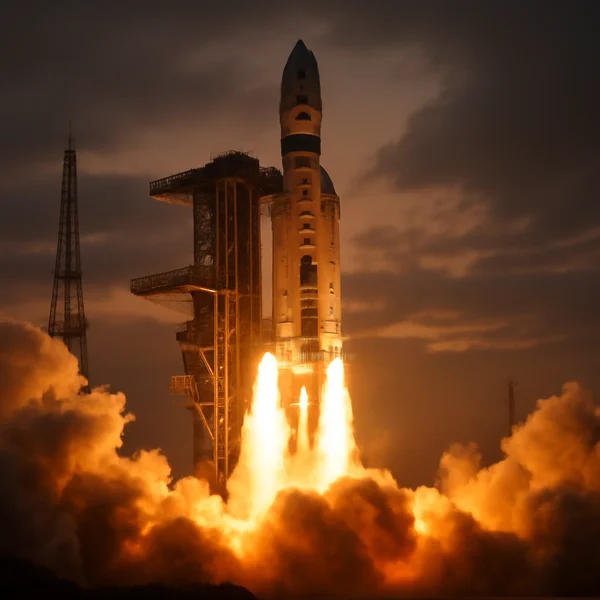
NISAR ko 30 July 2025 ko 5:40 PM IST par Satish Dhawan Space Centre, Sriharikota se ISRO ke GSLV-F16 rocket ke zariye launch kiya gaya. Launch ke sirf 18 minutes baad ISRO ke ground controllers ne Bengaluru se satellite se contact confirm kar liya aur bataya ki satellite bilkul sahi tarike se kaam kar raha hai. Yeh GSLV rocket ki pehli ever Sun-synchronous polar orbit mission bhi thi, jo apne aap mein ek badi achievement hai.
📡 Technology — Dual Radar System
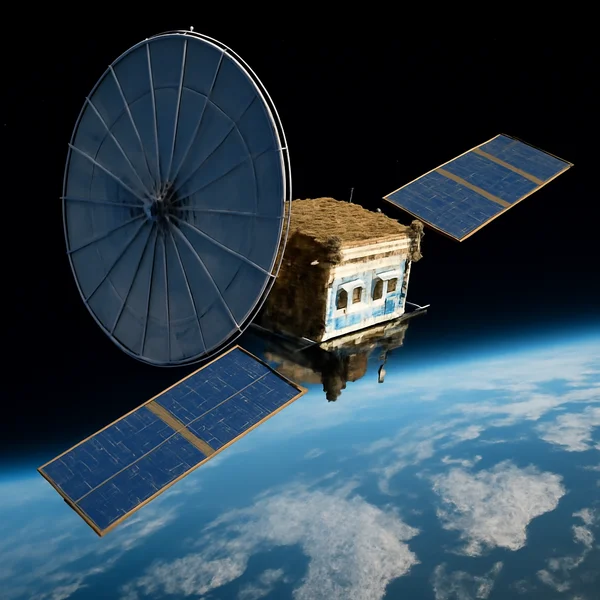
NISAR ko jo cheez sabse khaas banati hai woh hai uska dual-radar system. Isme NASA ki JPL lab ne L-band radar (25 cm wavelength) provide kiya, jo soil moisture, forest biomass aur ice surfaces ko measure karta hai. Wahin ISRO ke Space Applications Centre, Ahmedabad ne S-band radar (10 cm wavelength) banaya, jo agriculture, grassland ecosystems aur infrastructure movement ko track karta hai. Yeh satellite 747 km ki unchaayi par Sun-synchronous orbit mein chakkar lagata hai aur ek din mein 14 baar Earth ka chakkar poora karta hai.
🔬 Scientific Objectives
NISAR ka main scientific mission yeh hai ki yeh har 12 din mein Earth ki lagbhag poori surface ko 2 baar scan kare. Iske through scientists natural disasters jaise earthquakes, volcanic eruptions aur landslides ko pehle se detect kar sakte hain, kyunki yeh zameen ki movement ko fractions of an inch tak measure kar sakta hai. Iske alawa yeh glaciers aur ice sheets ki melting track karega, crop aur forest health monitor karega, aur wetlands and coastal areas ki changes bhi record karega — jo climate change research ke liye bahut zaroori data hai.
7 Amazing Facts About NISAR (NASA-ISRO Satellite)
- Dual-frequency radar: NISAR is one of the first satellites designed to use two radar frequencies—L-band and S-band—for detailed Earth imaging.
- NASA–ISRO partnership: It is a joint mission involving both NASA and ISRO, combining expertise from both space agencies.
- Works day and night, through clouds: Because it uses radar (not just optical cameras), NISAR can observe the Earth independent of sunlight and through cloud cover.
- Measures ground changes: NISAR can detect changes in the land surface related to earthquakes, landslides, volcanoes, and ground deformation.
- Tracks soil moisture & environmental features: It will help monitor soil moisture, vegetation, forests, and other ecosystem-related properties.
- Consistent global coverage: The satellite operates from a controlled orbit that supports repeated observations, helping scientists compare changes over time.
- Supports disaster and climate research: The data will be useful for disaster response planning and for improving understanding of climate and long-term environmental changes.
📅 Mission Timeline
NISAR launch ke baad ek 90-day commissioning phase mein gaya, jisme uska 39-foot (12 meter) ka radar antenna reflector deploy kiya gaya. August 23, 2025 ko satellite ne apni pehli SAR images capture kiin — Maine aur North Dakota ke areas ki. Phir 7 November 2025 ko satellite ko officially science operations mein declare kar diya gaya, aur January 2026 mein yeh fully operational ho gaya. Mission ki planned life 5 saal ki hai.
💬 What Leaders Said
“Congratulations to the entire NISAR mission team on a successful launch that spanned across multiple time zones and continents in the first-ever partnership between NASA and ISRO on a mission of this sheer magnitude.” — Nicky Fox, Associate Administrator, NASA Science Mission Directorate
“GSLV has precisely injected NISAR into the intended orbit. This is GSLV’s first mission to Sun-synchronous polar orbit. We are at the threshold of fulfilling the immense scientific potential NASA and ISRO envisioned for more than 10 years.” — V. Narayanan, Chairman, ISRO
`